Navy SEALs: A Brief History
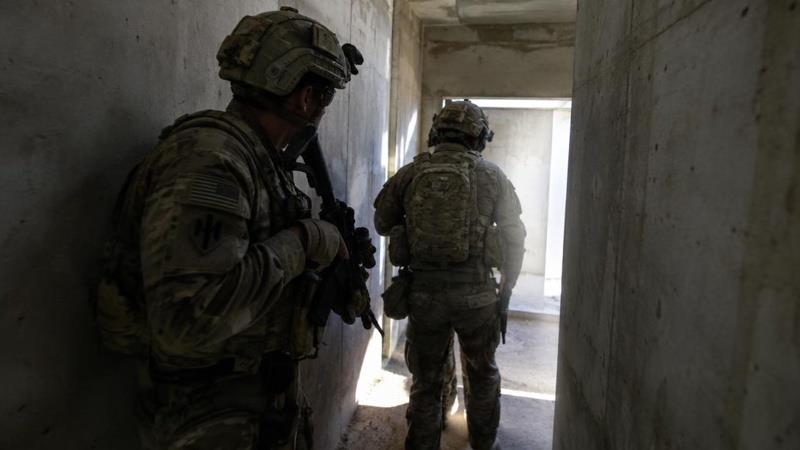
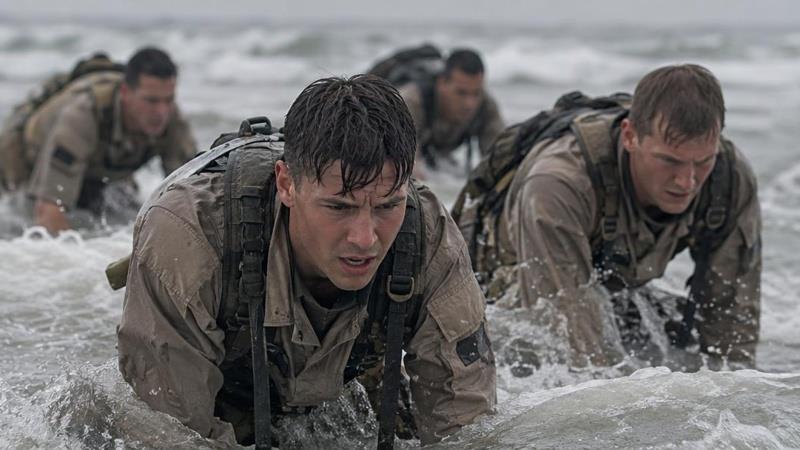
From underwater demolition teams in the Pacific to the modern special operations community, the SEAL lineage explains why their hand-to-hand training looks so different from the rest of the military.
Military Combat Education

Hand-to-hand combat · Military martial arts · Self-defense
Field-tested methods of the modern soldier, explained for the civilian who wants to move, think and defend better.
Army Fighting Secrets — editorial resource on military combat training, martial arts and self-defense.
From the field notebook
New breakdowns on military combatives, martial arts training and civilian self-defense — written for readers who want substance, not slogans.

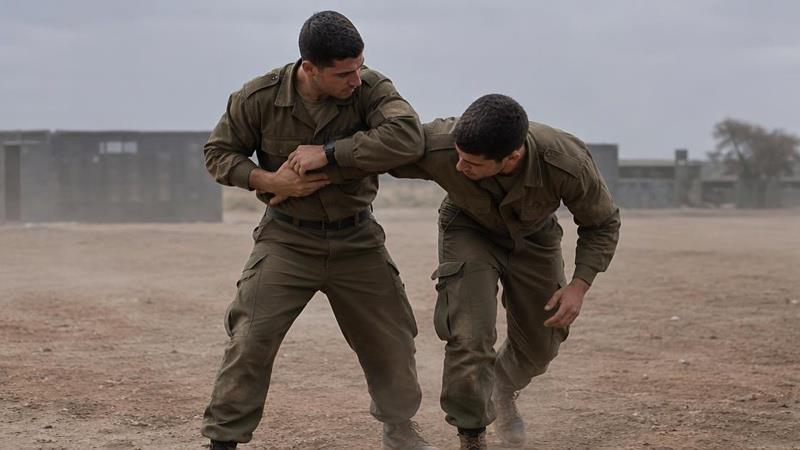
From underwater demolition teams in the Pacific to the modern special operations community, the SEAL lineage explains why their hand-to-hand training looks so different from the rest of the military.

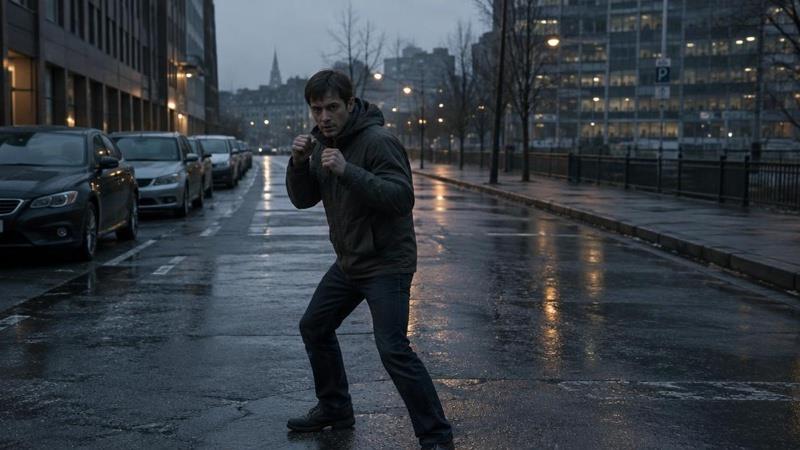
Military combatives were built for exhaustion, bad footing and no referee. That is exactly why they transfer so well to the messy reality of a street confrontation.

Not every battlefield skill belongs in a parking lot. These are the unglamorous fundamentals that survive the transfer from the training area to civilian life.

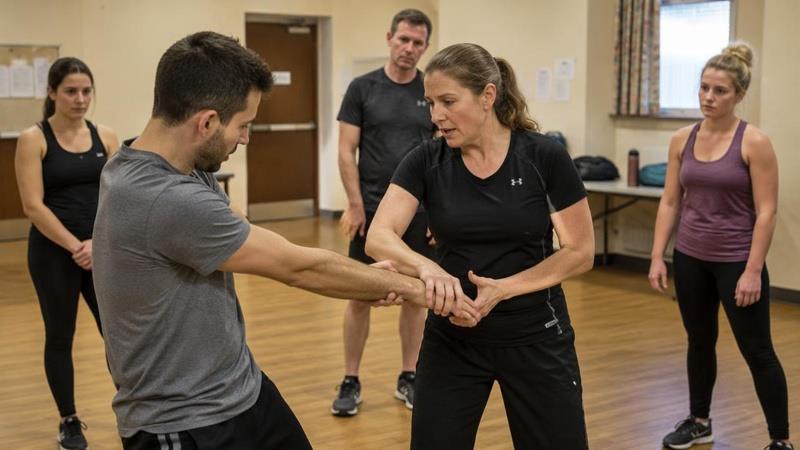
A good course does more than teach a wrist escape. It changes how you stand, how you scan a room and how quickly you decide that a situation is not worth staying in.

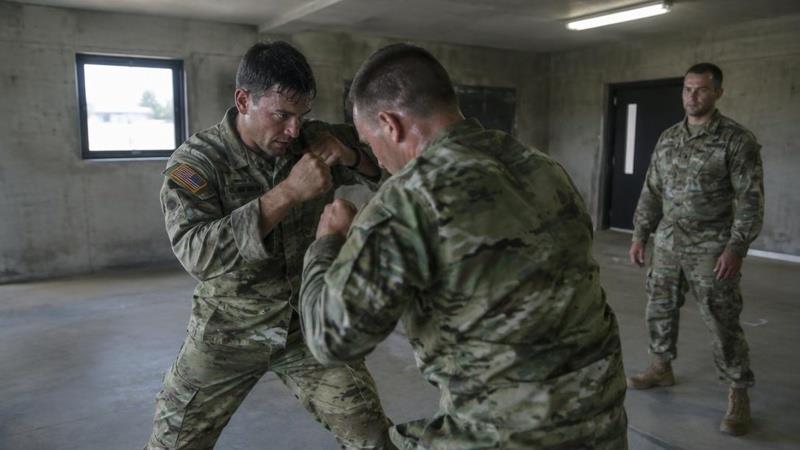
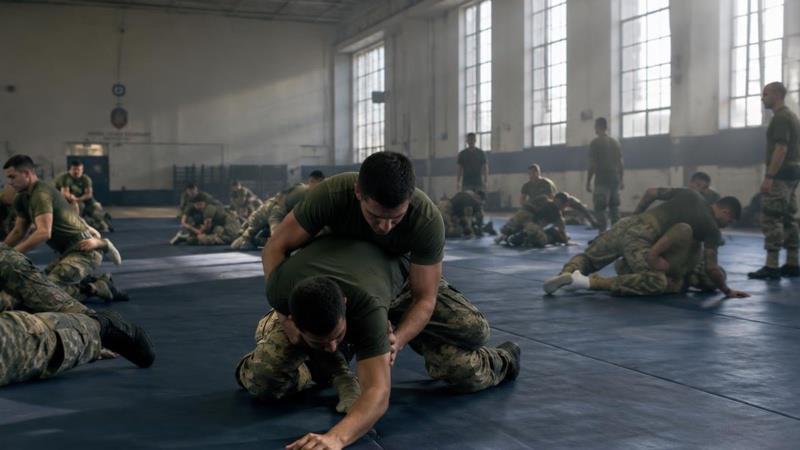
The army curriculum is short on flash and long on repeatability. Here is the actual skeleton of a modern combatives block, from the clinch to the finish.

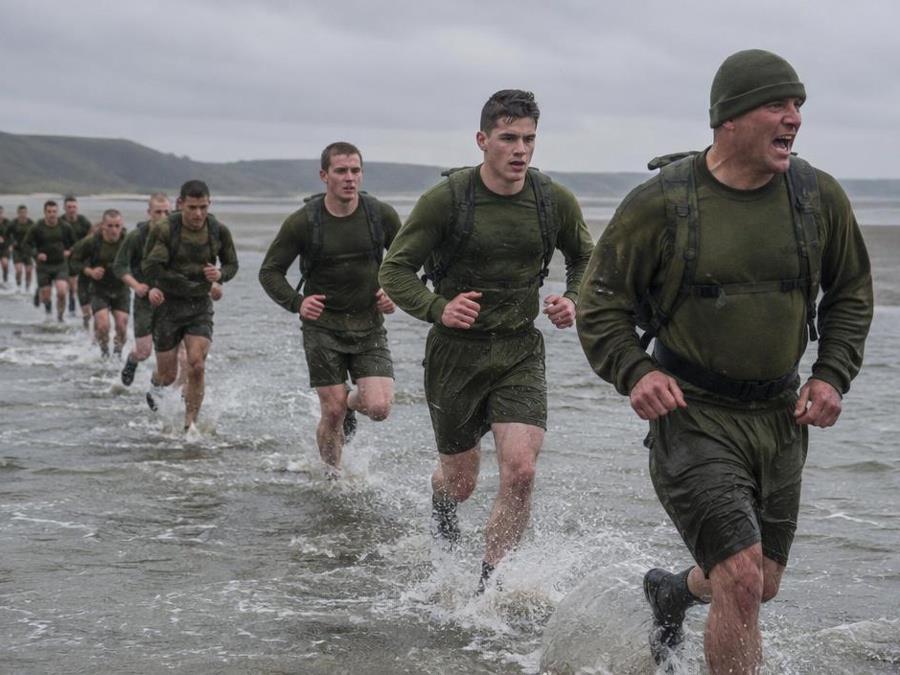
Circuits, partner drills and pressure testing: how military instructors compress years of martial arts into a compressed training cycle without losing the parts that matter.

Close-quarters skill is not a single talent. It is the product of repetition, footwork discipline and the willingness to be corrected in front of your peers.

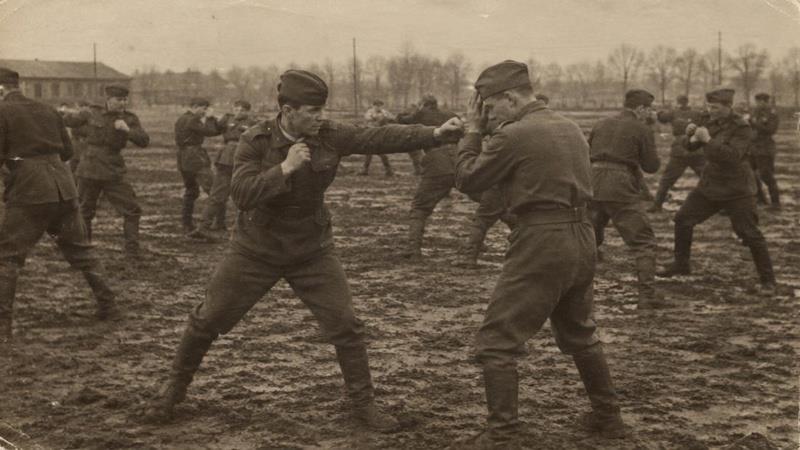
Defendu, combat judo and the wartime manuals that turned street fighting into a teachable system. A short history of how the modern curriculum was written.
The short version
We reveal the inner secrets of the army that will help you become a more effective fighting machine. Here we share information about the military, examine the various methods it uses, and look at what makes a soldier such a formidable opponent.
Read on to fight like a soldier — from the first clinch to the final exit.

Watch & learn
Two filmed sessions from the training area. Watch the mechanics, then read the breakdown.
Featured equipment partner
Explore professional night vision and thermal imaging equipment from AGM Global Vision.
Visit AGM Global Vision What readers say after training with us
“I would recommend this to anyone who wants to become better at fighting. It gives an understanding of hand-to-hand combat that will always guarantee you are ready for anything.”
Ronald D. Richmond
Close-combat student, Ohio
Close quarters
The core curriculum, the training method behind it, and how soldiers actually build usable close-quarters skill.

The army curriculum is short on flash and long on repeatability. Here is the actual skeleton of a modern combatives block, from the clinch to the finish.

Circuits, partner drills and pressure testing: how military instructors compress years of martial arts into a compressed training cycle without losing the parts that matter.

Close-quarters skill is not a single talent. It is the product of repetition, footwork discipline and the willingness to be corrected in front of your peers.

Sgt. R. Calloway
Combatives Instructor
Who we are
Army Fighting Secrets was created to give readers clear information about the self-defense methods soldiers of every rank use to protect themselves and engage an opponent. The site grew out of a simple belief: army self-defense methods are more specific — and simply better — than the alternatives.
Here you will find the best self-defense advice we can verify, written by people who have trained it and taught it, not people who watched a video about it.
Editorial standard
Every technique is described the way it is taught, including the parts that fail.
Civilian focus
Military methods translated for people with no unit, no gear and no orders.