Transfer of military skills to civilian life is not as simple as many marketing messages for practical self-defense suggest. Soldiers engage in battle as part of a team while wearing equipment in a controlled environment under clearly defined rules of engagement while having no intention of actually using the skills learned in physical combat. The same cannot be said for citizens who find themselves in physical altercations in the street. This article does not aim to provide training in the use of physical skills to defend oneself against another person in a physical confrontation. Its aim is to examine some of the fundamental skills that are transferable to civilian life. It is intended to be educational in nature rather than to provide a means by which people can learn to use physical techniques to defend themselves against others.
The original field note
While a solider may fight in a team, with lots of equipment, and within a strict set of rules regarding engagement, the civilian defender fights alone, unarmed, and outside of the military context. He or she is subject to the full force of the legal system and how his or her actions were perceived by onlookers.
What actually transfers
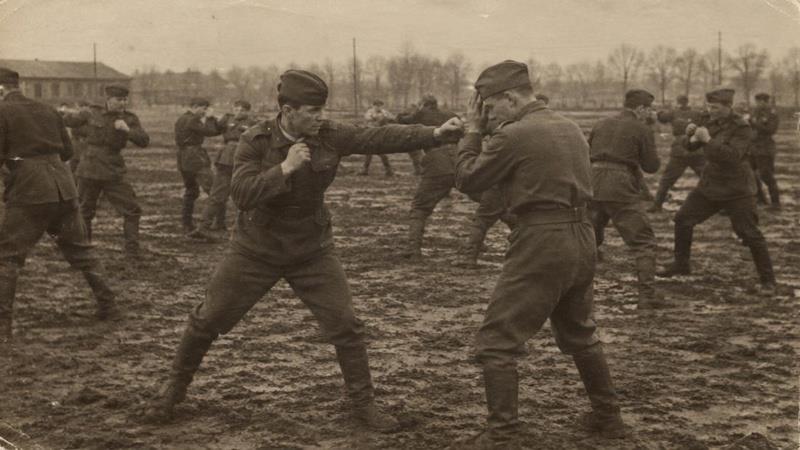
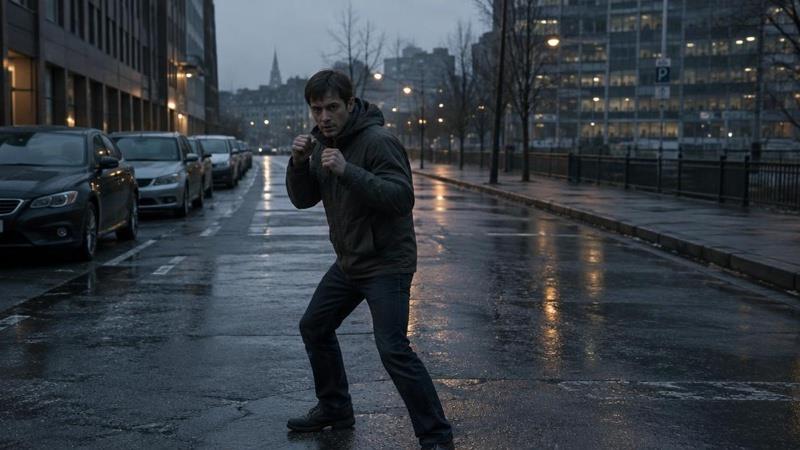
The Stance. The Stance and Base transfer almost perfectly. There is no other skill that transfers as well. In a defensive posture with your feet under your hips and weight forward, hands up, you are ready to defend yourself whether you are holding a rifle at the low ready or standing at a bus stop at night.
Clinch control: Framing a grabber against your chest for control of their arms, controlling an elbow that they are trying to use for a strike, and keeping your hips back to increase your distance from them while retreating.
Breaking contact is actually the most transferable skill in close combat. Military close combat training focuses intensely on successful disengagement as a tactical objective in and of itself – often more so than outright victory. This frame of mind alone ensures that a civilian will be involved in far fewer physical altercations than otherwise.
Leave before you have to throw a punch. This is the most effective military habit of all.
What does not transfer
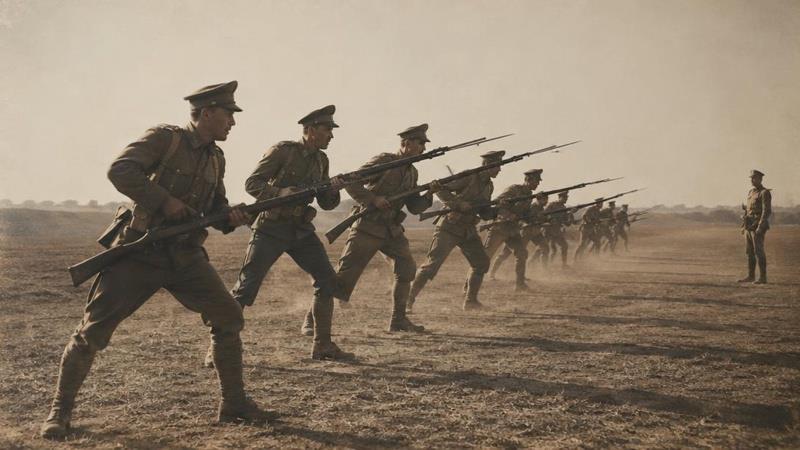
A soldier in training would practice room clearing in a team. They'd practice firearms retention. They'd even practice the technique of using a bayonet in close quarters combat. The image above looks cool. Don't copy it.
Treating the physical skills of a soldier as a filter to find corresponding skills for physical confrontations instead of trying to apply them directly to them can be very effective. Learn the stance, learn how to manage distances and learn how to leave a scene in the best way possible.
Legal and medical consequences matter
Courses should also highlight the area of physical self-defense and what to do before, during and after a physical encounter. Students should also be aware of the consequences of physical self-defense, such as injury or police involvement, and be provided with information on reporting incidents to the authorities.
Awareness begins before contact
Rather than practicing how to physically defend yourself in a violent attack, focus on the very simple steps that most people already know to take to avoid such an attack in the first place: keeping an eye out for exits, keeping sufficient space between yourself and others, recognizing when someone’s behavior is escalating into something more threatening, and withdrawing from the situation as early as possible.
Communication can create an exit
Instead of focusing solely on physical defense, students should learn how to make their intentions known and create space between themselves and other people using a clear voice, open and comfortable postures, and a clear boundary while remaining calm and avoiding being aggressive or insulting. Practice scenarios should include speaking as well as leaving.
Start with context
The article title serves as a launching point for a more in-depth exploration of the aspects of military training. The training of a military unit is often to fulfill a specific mission, by use of specific equipment, in a team-oriented environment with a strong chain of command. The vast majority of civilians will have training goals that are quite different from those of a military unit, and will typically engage in training that is designed to be completed outside of a supervised environment. As such, it is wise to recognize the general principles of the training outlined, and to understand that there are many details that are specific to a particular unit or training program.
What a responsible instructor looks for
A good instructor clearly explains the purpose of a drill. He or she sets clear boundaries for students and observes them under fatigue. The instructor corrects students who are moving too fast and protects new students from more advanced training. He or she explains how each skill relates to other training in order to give students confidence in their training.
Keep the lesson practical
For our readers, the article can be put into practice with a single small step. Compare training programs, get fit, research local safety issues, ask an instructor how he or she practices live scenarios and note what you learned in class. A single small step is more useful than replicating a fancy movement from a video clip.
Limits are part of the lesson
Article texts on the topic of street fighting cannot reproduce the quality of a good coach, a suitable partner, adequate protection and immediate correction as required by individual health, previous injuries and local laws. Read it to get oriented. If in doubt – choose the wiser path.
A reader’s checklist
- Identify the parts of the lesson that rely upon the unique elements of military equipment, a team and a controlled training area.
- Posture, awareness, physical fitness and safe decision-making are far more relevant than a number of “useful” techniques that most people would copy from a video without testing them out first.
- Ask how an instructor controls intensity and protects beginners.
- Stop training when you experience pain, confusion or fatigue that makes continued movement unsafe.
- Check local law and professional guidance before treating general information as a plan.
Closing perspective
“Military Combat Techniques You Can Use on the Street” is best read by civilians as a resource for disciplined and curious exploration of specific techniques and training, and the military-style training programs that utilize repetition, review, and high standards. We can apply these to verify information, practice in appropriate setting, set realistic objectives, and measure improvement using the safest criteria possible – improved decision making as well as physical performance.
Training note 1
When practicing, progress is rarely linear. Sometimes the focus is on perfecting your timing, other times on solidifying your base or on making better decisions with the tools you have. Wherever you are weak is where you need to work in practice to fix before you add intensity to your training.
Training note 2
Recording what happened in your training session, i.e. what you tried to do with your training (purpose of the session), what changed (circumstances) and what worked (correction) and why, helps you to track your progress. This information can then be used in discussions with your instructor to evaluate what you have learned.
Training note 3
Same applies to equipment: One does not have to spend a lot of money to train safely and effectively. Good equipment is one which allows for a good training in the first place. Comfortable clothing, a safe training floor and appropriate protective gear are more important than fancy accessories.